

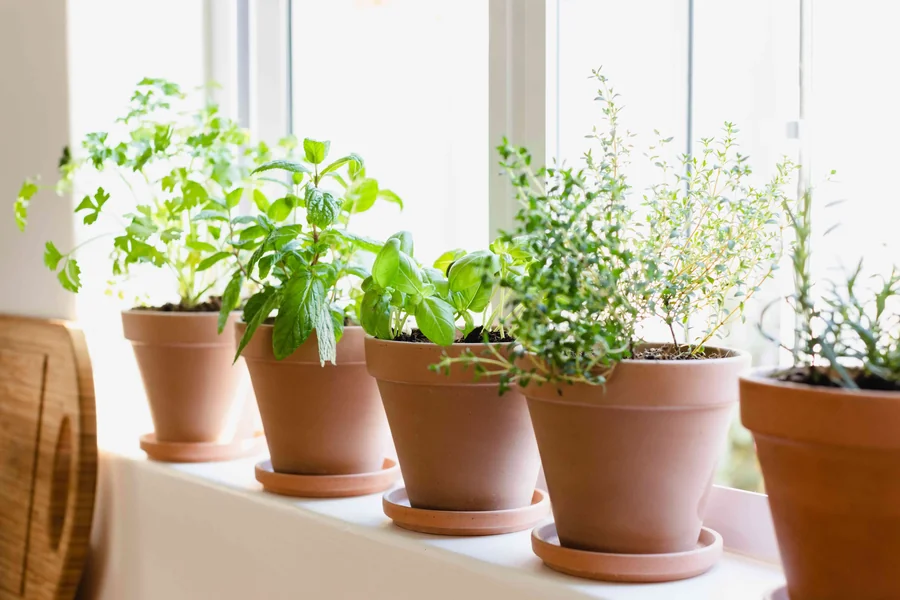
Your kitchen windowsill probably holds nothing more exciting than dish soap right now. That’s about to change. Those same four square feet could be pumping out fresh basil, mint, and chives instead.
Indoor herbs are having a moment, and for good reason. They transform bland Tuesday night pasta into something restaurant-worthy. They also make your apartment smell like an Italian grandmother’s kitchen.
This isn’t about becoming some master gardener overnight. It’s about learning a few simple tricks that keep your plants happy.
Whether you’re a seasoned gardener or just curious about growing your own ingredients, you’re about to see why windowsill herbs are worth the minimal effort they require.
Benefits of Growing Herbs Indoors
Growing herbs indoors is a game-changer. These leafy greens quietly cleanse your air, lending your space a genuine freshness that boxed alternatives can’t match. Mint and basil are absolute champions in this department.
Having culinary herbs within reach elevates everyday cooking effortlessly. Just imagine grabbing fresh basil for your simmering sauce or collecting mint leaves for that afternoon cup of tea—straight from your windowsill.
Beyond saving cash, there’s something unexpectedly fulfilling about nurturing these verdant companions in your living quarters.
The convenience transforms ordinary meals into something remarkable. Your kitchen becomes part garden, part pantry, a delightful fusion of growing space and cooking headquarters.
Choosing the Right Herbs for Indoor Growth
Space constraints play a huge role when plotting your indoor herb area. Petite varieties like basil, mint, and chives adjust remarkably to indoor living without hogging precious space. They flourish with minimal attention and nestle perfectly into even cramped kitchens.
If you’re pressed for time or want a head start, consulting a gardening service can help you pinpoint the best herbs to grow indoors that suit your routine and light conditions.
Herbs have peculiar light preferences that become vital indoors. Sun-chasers like basil and rosemary excel on bright windowsills that capture abundant daylight. Mint and parsley show more flexibility, thriving adequately in east- or west-facing windows with modest illumination.
For especially dark spots, grow lights provide everything your leafy companions require.
Select herbs that match your cooking style. Those drawn to Italian dishes naturally lean towards basil and oregano. If you’re into creating invigorating drinks, mint becomes your crucial partner.
Weigh each herb’s spatial demands, light needs, and how regularly you will actually harvest it. This strategic thinking guarantees that your indoor collection enhances your culinary adventures without becoming an unwelcome task.
Some herbs require daily attention, while others forgive occasional neglect. The secret lies in building a collection that complements your lifestyle rather than works against it.
The Significance of Light for Indoor Herbs
Light isn’t just important for your indoor herbs—it’s their lifeblood. These green companions have evolved distinct sunlight preferences that should dictate where you place them throughout your living space.
The more resilient types, like mint and parsley, manage decently with modest illumination. They will happily occupy north-facing or partially shaded windows receiving just 4-6 hours of indirect brightness daily.
Middle-ground performers such as chives and cilantro crave medium light intensity. They excel near east- or west-facing windows that deliver 6-8 hours of gentle morning or evening rays.
The sunshine devotees, basil and rosemary, demand a hefty 8+ hours of direct sunlight, making south-facing perches their natural habitat.
If you’re living in a dim apartment, you don’t need to worry. Grow lights offer a clever workaround, mimicking sunlight’s spectrum to sustain herb growth regardless of season. Mount them roughly 12 inches above your plants and run them 10-12 hours daily.
You will nurture a flourishing herb collection with strategic light management.
Some herbs tolerate shade, while others wither without abundant sunshine. The knack lies in matching each plant’s light requirements to your available space.
Soil and Potting Options for Indoor Herbs
The secret to thriving indoor herbs starts with smart soil and container choices. Begin with well-draining soil. It prevents soggy roots, which can kill potted plants. An organic potting mix bursting with nutrients gives your herbs a solid foundation for vigorous growth.
If you’re feeling creative, whip up your own custom blend by mixing equal parts peat moss, perlite, and compost for a balanced growing medium. Always hunt for containers with proper drainage holes to avoid waterlogged disasters.
Clay pots aerate beautifully but add considerable heft to your setup, while plastic containers offer a lightweight, flexible alternative that’s ideal for tighter spaces. Pick vessels just slightly roomier than your herb’s root ball to avoid excess moisture lurking in unused soil.
These fundamental decisions lay the groundwork for lively, productive herbs that transform ordinary meals into something remarkable.
The container material influences more than aesthetics. It shapes your watering routine. Terracotta dries quicker, while glazed ceramics retain moisture longer. Match your selection to your lifestyle and attention span for the best results.
Watering Tips for Indoor Herbs
Overwatering quietly destroys indoor herbs before you even notice.
Each herb has its own moisture preferences, making a tailored watering approach incredibly valuable. Most indoor herbs flourish with hydration once or twice weekly, though this pattern shifts depending on the specific plant and pot dimensions.
Basil craves consistently damp soil, while rosemary actually prefers things on the drier side between drinks.
You can run a practical moisture test by simply poking your finger about an inch deep. If it feels parched at that depth, it’s time to water. For the gadget-loving gardener, a moisture meter removes all guesswork.
The thirst levels vary dramatically among herb varieties. Mint typically demands frequent watering, while thyme shows impressive drought resilience. Tweak your watering schedule to match each plant’s individual requirements.
Using a narrow-spouted can enables precise water delivery straight to the soil, avoiding excess moisture that could harm your leafy companions.
Certain herbs tolerate a bit of neglect without fuss, but others react quickly to even brief dryness with noticeable wilting. The trick lies in observing how each plant responds to your care. Then you adjust accordingly.
With thoughtful watering habits, your indoor herb collection will thrive, offering fresh, aromatic ingredients whenever culinary inspiration strikes.
Maintenance for Indoor Herbs
Steady upkeep works wonders for your indoor herb garden’s zest and bounty. Easy, regular habits, like clever trimming and smart fertilising, spark lively growth and excellent flavour.
Pruning Techniques
Smart pruning nudges herbs towards lush, full growth instead of spindly, thin stretches. It also stops early flowering that could affect their taste.
With clean scissors or a gentle pinch of your fingers, snip the top leaves and stems from herbs like basil or mint. This easy trick keeps them shapely and sparks side shoots.
Fertilising Schedule
Keeping your herbs’ nutrients flow steady is just as vital for their lasting vigour. Pick an organic liquid fertiliser that feeds them essential goodness without harsh chemicals. Dab it on about once a month during the lively growing months, spring to early autumn.
Keep a keen eye on your plants and tweak the timing based on how they’re faring. These simple care habits guarantee thriving herbs, ready to elevate your cooking whenever the mood hits.
Incorporating Indoor-Grown Herbs into Daily Life
Growing herbs indoors does more than brighten your windowsill. It actually creates some useful opportunities throughout your home. Add fresh basil to homemade pizza. Use rosemary when roasting chicken. For drinks, crush mint into lemonade or brew herbs for evening tea.
Beyond cooking, herbs have other applications. Place lavender sachets under your pillow for better sleep.
Rinse your hair with rosemary water for added shine. Additionally, whenever you need a quick refresher, soak mint leaves in water and transfer to a spray bottle for a great aroma.
These simple methods enhance daily routines while naturally scenting your home. Small windowsill herbs can improve various aspects of everyday life in unexpected ways.
Conclusion
Indoor herbs are modest miracle workers. They demand so little, just a windowsill perch, occasional water, and perhaps a whisper of encouragement. In return, they provide fresh garnishes whenever the mood strikes and fill your rooms with cleaner air.
Start small with just one herb or maybe two. Soon, you will discover that nurturing these leafy companions isn’t just about fresher pasta sauce or prettier windows. It’s oddly addictive.
Your herbs become little green roommates who never complain, always deliver, and occasionally surprise you with their resilience.
