

INTRO:
In the midst of the COVID-19 pandemic, it is important for couples to understand the risks associated with their partner being tested for the virus. Whether or not to isolate is a major decision, and it is important to consider all the options before making a decision.
Understanding the Risk
If your partner is being tested for COVID-19, it is important to understand the risks that you and your partner may be exposed to. The virus is highly contagious and can spread quickly, so it is important to take precautions to protect yourself and your partner. It is also important to remember that it can take up to 14 days for symptoms to appear, so it is important to remain vigilant and keep track of any possible symptoms.
Considering the Options
When considering whether or not to isolate, it is important to consider the risks to both yourself and your partner. If your partner is showing symptoms of the virus, it is important to isolate in order to prevent the spread of the virus and to protect yourself and your partner. If your partner is not showing any symptoms, it is important to practice social distancing and wear a mask when out in public. Additionally, it is important to monitor your partner for any potential symptoms and to get tested if any appear.
OUTRO:
Ultimately, the decision to isolate or not should be based on the risks and the needs of both partners. It is important to be aware of the risks associated with the virus and to take the necessary precautions to protect yourself and your partner.
The novel coronavirus (COVID-19) has gripped milliions of people all around the world, prompting most governments to impose restrictions, including lockdowns, physical distancing, and quarantines. If one of your partners- either in a married, romantic, or platonic relationship- is being tested for COVID-19, the decision on whether or not to isolate can be difficult.
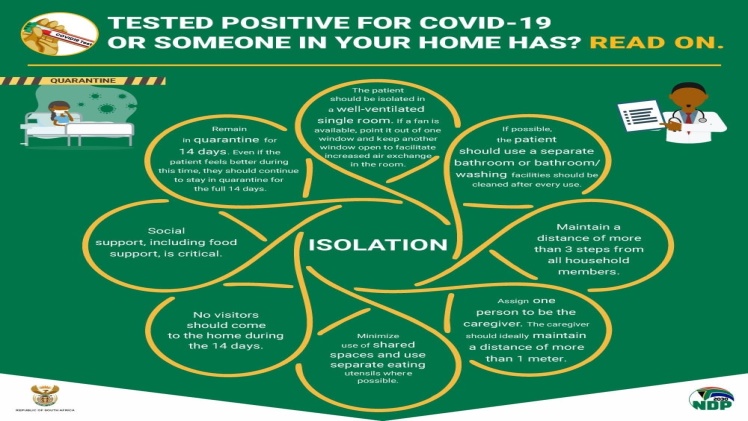
Firstly, it is important to follow the guidelines provided by the Centers for Disease Control and Prevention (CDC) on how to protect yourself and others during the Novel Coronavirus outbreak. If you or your partner are symptomatic, you should both stay home and take extra precautions to protect yourself, including not having visitors, wearing a mask and regular hand washing. Additionally, if you or your partner are in a high-risk group, such as those who are immunocompromised, are 65 and above, or have underlying health conditions, then you should both stay apart until the infection subsides.
However, if you or your partner is not exhibiting any symptoms, then the most important step to take is to be tested for the disease. A negative result would remove the concern for both of you, and you can then go ahead with plans as you were previously. If, however, the test is positive, then you need to take immediate steps to ensure your safety. The CDC recommends that people with a positive test result isolate themselves as soon as they receive the results and stay away from others until they can no longer pass the virus on to someone else.
It may be difficult to remain apart from your partner during this time, but it is important to keep in mind that following the guidelines is the best way to protect yourself and those around you. It is important to remember that physical distancing does not necessarily mean emotional distancing, so you can still talk and communicate virtually with your partner and stay connected through this period.
In conclusion, it is important to take the necessary steps to protect yourself and your partner if they are being tested for the virus. If your partner’s test results come back positive, then it is important to follow the guidelines provided by the CDC in order to protect yourself and those around you.
