

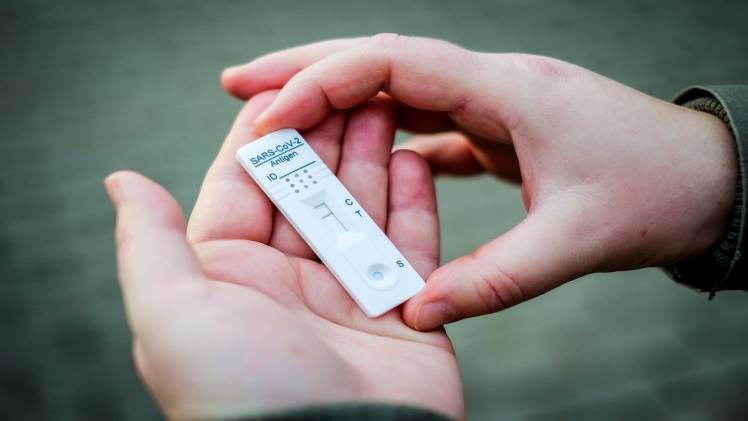
Covid-19 has become a global pandemic, and testing for the virus has become a crucial part of managing its spread. Knowing how long you can test positive for the virus after having it is a key factor in understanding the disease and its transmission. This article will explain the different types of Covid-19 testing and how long a positive test result can be expected to last.
Understanding Covid-19 Testing
Covid-19 testing is a key part of managing the virus and understanding its spread. There are two main types of testing: antigen tests and PCR tests. Antigen tests detect proteins on the surface of the virus, and can provide results in as little as 15 minutes. PCR tests detect the genetic material of the virus and are considered more accurate, but take longer to process, usually around 24 hours.
Length of Positive Test Results
The length of time a positive test result can be expected to last depends on the type of test used. Antigen tests can detect the virus in the body for up to 14 days after infection, but are not as reliable as PCR tests. PCR tests can detect the virus for up to 90 days after infection, but the virus is usually undetectable after 3 weeks.
It is important to note that a positive test result does not necessarily mean that the person is still contagious. The virus is only contagious for a few days after infection and can no longer be spread after that.
Testing for Covid-19 is a key part of managing the virus and understanding its spread. Different types of tests can detect the virus for different lengths of time, with PCR tests being the most reliable and accurate. It is important to remember that a positive test result does not necessarily mean that the person is still contagious, as the virus is only contagious for a few days after infection.
The novel coronavirus (COVID-19) has had a major impact on our lives, with now over 10 million strains identified worldwide. Millions of people have tested positive for the virus, necessitating strict quarantine and health monitoring measures.
The uncertainty of the virus and its long term effects can be unnerving and those who have already contracted it have a pressing question on their minds: how long can you test positive for Covid-19 after having it?
The short answer is that it varies from person to person, but studies suggest people may test positive for the virus a month or more after being infected. In some cases, people have tested positive for the virus months after recovery, even though they are no longer contagious.
Typically, an infected person tests positive for Covid-19 for about ten days after the initial infection. After this, it may take several weeks for the virus to be cleared in individuals with mild symptoms. Those with more severe symptoms may take longer to test negative.
The persistence of the virus after recovery can be partly explained by the fact that Covid-19 can survive in different body tissues, and produces fragments of genetic material that could be falsely flagged as active virus.
As such, a positive test result is not necessarily indicative of an active infection. The virus may still be present in the body after recovery, and can remain detectable even if the immune system is doing its job properly.
Due to this, the World Health Organization (WHO) advises caution when it comes to interpreting Covid-19 test results. A positive test result does not necessarily mean that a person is currently contagious and those who have already been infected should observe any advice given by medical professionals.
In conclusion, people may test positive for Covid-19 after having it, but this does not necessarily mean they still have the virus. Many factors can influence the test result, and those who have already been infected should follow the guidance of the WHO and their healthcare professionals.
