

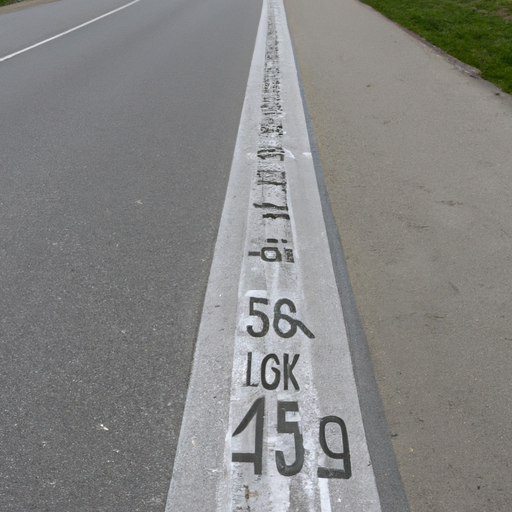
Overtaking is the process of passing another vehicle on the road. It is an important part of driving, as it allows drivers to maintain a safe speed and avoid congestion. However, it is important to understand the rules of overtaking, as well as the maximum distance you can drive in the bicycle lane to overtake.
What is Overtaking?
Overtaking is the process of passing another vehicle or object on the road. It is important to understand the rules of overtaking, as this can help to ensure safe driving practices and avoid congestion on the roads. Overtaking is legal in many areas, but the rules vary depending on the location. Generally, drivers should only overtake when it is safe to do so, and when there is enough space to pass without endangering other drivers or pedestrians.
Maximum Distance for Overtaking in Bicycle Lanes
When it comes to overtaking in bicycle lanes, the maximum distance that can be driven depends on the local laws and regulations. In some areas, the maximum distance is determined by the length of the bike lane, while in other areas the maximum distance for overtaking is determined by the width of the lane. Generally, drivers should not attempt to overtake if the distance is greater than the width of the bike lane. This is to ensure the safety of cyclists, who may not be able to maneuver around a large vehicle. Additionally, drivers should not overtake if there are any obstacles in the way, such as parked cars or other cyclists.
In some areas, the maximum distance for overtaking in a bicycle lane may be limited by the speed limit. For example, if the speed limit is 25 mph, the maximum distance for overtaking may be limited to 25 yards. This helps to ensure that drivers are not driving too fast in the bicycle lane, which can be dangerous for cyclists.
Overall, it is important to understand the rules of overtaking, as well as the maximum distance you can drive in the bicycle lane to overtake. Drivers should only attempt to overtake when it is safe to do so, and should not exceed the maximum distance for overtaking in the bicycle lane. Furthermore, drivers should be aware of any obstacles in the way, and should not exceed the speed limit when overtaking in a bicycle lane.
Many cities are becoming more bike-friendly by instituting bicycle lanes to offer cyclists a safe space on the roads. But how far can a cyclist ride to overtake another bicycle or motor vehicle?
An Australian road code outlines the rules that cyclists must follow when sharing the road with other vehicles. While cyclists are allowed to ride in the bicycle lane, the maximum distance they can travel to overtake another cyclist or motor vehicle is considered a “safe race-like manoeuvre.” This means that while bicycles are allowed to overtake other bike or motor vehicles, it should not be done aggressively or with disregard for other safety laws.
The road code also stipulates that cyclists should only ever overtake another bike or vehicle when it is safe to do so, as failing to adhere to this law can have serious repercussions. It is recommended that cyclists give a minimum of 1 metre in passing distance when overtaking. This is essential to ensure that everyone has enough room to safely operate.
In addition to the regulations outlined in the road code, cyclists should also take into account the area they are travelling in. If there is less space to pass, for example due to parked cars or tight bends, then cyclists should be particularly vigilant and assess the situation carefully before overtaking.
In conclusion, cyclists should always follow the safe race-like manoeuvre as outlined in the road code when overtaking. This involves only overtaking when it is safe to do so and giving a safe distance. Furthermore, cyclists should remember to take the surroundings into account when making an overtaking manoeuvre.
