

The novel coronavirus (COVID-19) has caused a worldwide pandemic that has had a significant impact on our daily lives. As the virus continues to spread, many people are wondering how long their immunity might last if they have already had the virus. In this article, we will explore the risk of reinfection and the factors that affect our immunity to COVID-19.
The Risk of Reinfection
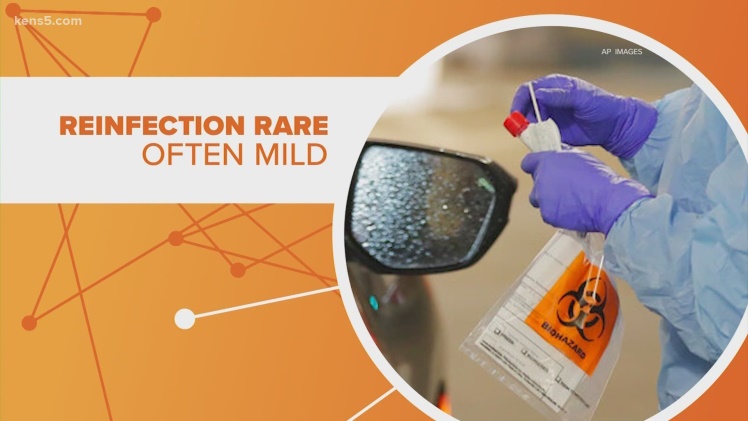
Since the outbreak of the virus, there have been reports of people being reinfected with COVID-19. This is a concern for public health officials as it could mean that immunity is not as long-lasting as previously thought. However, the World Health Organization (WHO) has stated that the risk of reinfection is low and that the majority of people who have been infected with the virus are protected from reinfection for at least six months.
It is important to note that the risk of reinfection is not zero and that it is possible to get the virus more than once. Studies have shown that the risk of reinfection increases with the amount of time that has passed since the initial infection. This means that the longer it has been since the first infection, the greater the risk of reinfection.
Understanding Covid Immunity
The duration of immunity to COVID-19 is not yet fully understood. Experts believe that immunity is likely to last for several months, but it is possible that it could be longer or shorter depending on the individual. Studies have shown that the body’s immune response to the virus can vary greatly between people, and that some people may have a stronger immune response than others.
It is also important to note that immunity is not guaranteed even if you have had the virus. While most people who have had the virus are likely to have some level of immunity, it is possible that a person could still get infected again. This is why it is important to continue to practice safety measures such as social distancing and wearing a mask even if you have already had the virus.
In conclusion, the risk of reinfection with COVID-19 is low but not zero. People who have already had the virus are likely to have some level of protection from the virus for several months, but this is not guaranteed. It is important to continue to practice safety measures to protect yourself and others from the virus, even if you have already had it.
The novel SARS-CoV-2 virus, more commonly known as the virus causing the coronavirus disease 2019 (COVID-19), has been circulating across the globe for the past year. As such, many people are asking how long after having COVID-19 people can get it again.
The World Health Organization (WHO) says that the exact length of immunity for people who have had COVID-19 is not yet known. However, there is evidence from natural infection studies, as well as from studies in animals, that have been conducted thus far to indicate that some level of immunity may be maintained after a person fully recovers from the virus. In terms of the period of immunity, the WHO says that the protection may last for about four months or longer, but it is not definitively known.
People who have had COVID-19 can reduce their risk of infection by continuing to follow recommended health precautions. This includes frequent hand washing, wearing a face mask in public and social distancing. Additionally, as more information comes to light regarding vaccines, it is important that individuals adhere to their local vaccination program guidelines to further reduce their risk of COVID-19 infection.
Although it is impossible to guarantee immunity against the virus, due to the uncertainty of how long the immunity might last and the lack of a vaccine available outside of clinical trials, following preventive measures can go a long way to reducing your risk of becoming infected.
Considering the implications of a potential reinfection, it is also important to note symptoms associated with a second COVID-19 infection. If you have had COVID-19 previously and start to develop symptoms such as fever, chills, a cough, difficulty breathing, chest tightness or congestion, contact your health care provider for further evaluation and guidance.
We still have much to learn about COVID-19, and the WHO will continue to monitor the situation and provide advice as new information is made available. Nevertheless, public health measures are the most effective way to protect yourself from contracting COVID-19, regardless of the period of immunity after having the virus.
